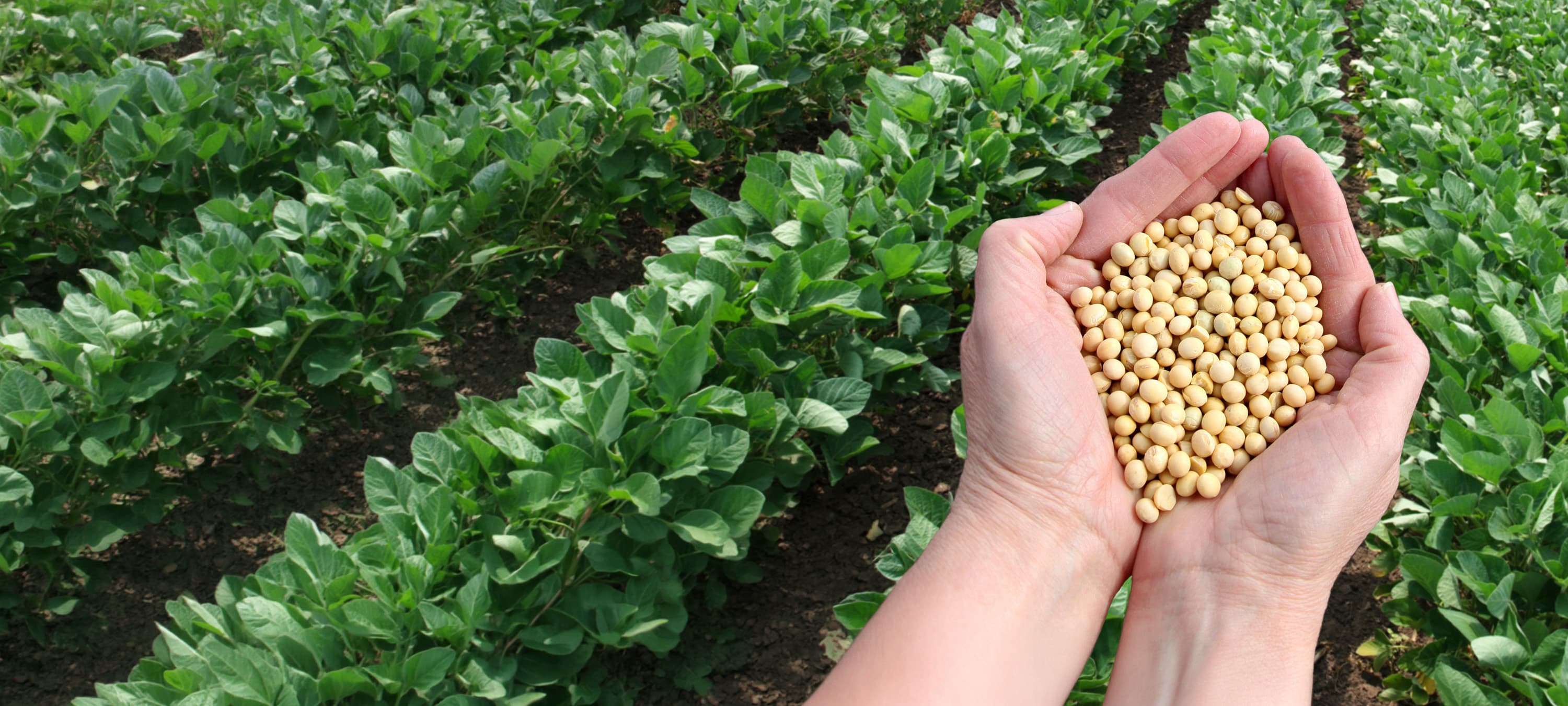
Where nutritional value from plants meets precision engineering
From field to sale-ready ingredients, Haarslev engineers the specialist processing lines that extract, separate and dry plant-derived proteins at industrial scale.
Consumer demand moving faster than processing capacity
Meat analogues, protein beverages, infant formula and sports nutrition products all start with plant-derived protein concentrate or isolate. The companies establishing and building out market share in such categories need reliable supply chains that can live up to exacting specifications. And those supply chains need reliable, energy-efficient processing plants that actually work at industrial scale - and that can also pivot quickly if needed.
Surprisingly for many, the quality of the protein in the end-product doesn't get determined in the field. It depends on the engineered capabilities of the processing plant, featuring key parameters that include temperature control, separation efficiency and drying uniformity, along with the specialist process engineering experience to know what each crop actually requires.
Plant proteins aren't easy to deal with
Heat sensitivity, starch-protein co-extraction, moisture gradients and the residual oil content of each different crop create processing challenges that generic machinery isn't designed to cope with.
Getting the protein quality right requires engineered systems capable of dealing with each specific crop – not just a generic dryer with a different label.
Engineered for each crop
Each plant protein has a different molecular architecture, a different starch-protein ratio and a different sensitivity to heat and shear. Haarslev processing lines are engineered around the specific type of crop you want to deal with.
Air-classified milling separates the starch and protein fractions before gentle thermal processing locks in protein solubility and functionality.
High-temperature short-time processing deactivates anti-nutritional factors while the desolventiser preserves the protein fraction for concentrate and isolate production.
Gluten and starch streams are separated at high throughput. Flash drying downstream preserves the elastic structure that makes wheat gluten commercially valuable.
Gentle, high-efficiency drying that removes moisture uniformly without degrading protein quality. Particle size and bulk density are dialled in to market specification.
From raw crop to finished ingredient
Six stages, each engineered to protect protein functionality while maximising yield and rolling back energy consumption.
Cleaning and preparation
Foreign-matter removal before processing protects downstream equipment and end-product purity. Screens, destoners and magnetic separators ensure clean, consistent raw material.
Size reduction and milling
Controlled particle size distribution determines fractionation efficiency. Hammer mills, roller mills and pin mills are selected and configured for each crop and target protein grade.
Wet fractionation
Water-based separation divides the protein-rich fraction from starch. Centrifuges and hydrocyclones ensure precise separation at commercial throughput rates.
Concentration and separation
Evaporation and ultrafiltration concentrate the protein stream to meet isolate specifications. Membrane systems recover water and reduce the effluent load.
Thermal processing
Controlled heat treatment deactivates enzymes and also helps deal with other factors that affect nutritional specifications. Time-temperature profiles are validated for each crop and target market.
Drying and finishing
Flash and ring dryers operate at low product temperature, preserving functionality. Milling and classification deliver the particle size your customers specify.
Decades of industrial drying and separation experience pay off
Deep application knowledge
Haarslev processing equipment has been used to extract proteins and other revenue-earning products from crops such as peas, soya beans, oilseed rape, broad beans, wheat gluten, and algae. The relationship between process conditions and protein quality is different with each crop and in different places. Dealing with this requires specialist engineering know-how and experience.
Scalable from pilot plant to production results
A specialist Haarslev test facility processes crop samples at pilot scale before you commit to commercial plant design. This means the processing parameters can be validated before any equipment gets considered or specified.
Service network
Haarslev has service engineers based across Europe, Asia and the Americas. This means Haarslev engineering resources and know-how are close at hand to keep your plant operating effectively, throughout its service life.
Want to improve or scale up your plant protein operation?
Tell us the basics about your crop (or crops), the protein specifications you want to achieve, and your requirements for processing capacity - current and future. Haarslev specialist engineers will then be able to outline what's technically possible, and what it'd probably cost to get there. Let's get started.